
What's in Your Air? Understanding Indoor Air Pollution Solutions

Airborne microbials, gases, and particulates affect your health: discover the technologies that eliminate them.

The Hidden Threat: Airborne and Surface Microbials

Indoor spaces often harbor invisible dangers that affect your health. Bacteria, mold spores, viruses like influenza and coronavirus, and other pathogens float through the air and settle on surfaces throughout your home or office. These microorganisms thrive in enclosed environments where air circulation is limited.

Many people experience the effects without knowing the cause. Frequent colds during every season, allergies that flare up indoors, wildfire smoke pollution, and respiratory discomfort can all be traced back to these airborne contaminants. Understanding what’s in your air is the first step toward cleaner, healthier breathing.

viruses coming out of vent
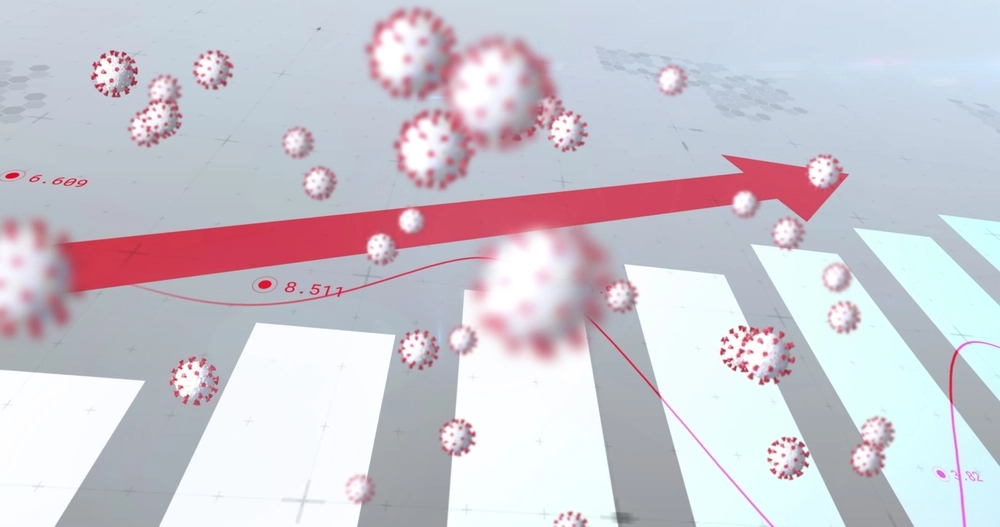
virus in rising statistics graphic

Why Indoor Air Quality Has Declined

The quality of indoor air has worsened over recent decades. Tighter building construction traps pollutants inside. Common contaminants include:

  • Airborne allergens and pollen
  • Mold spores and bacteria
  • Chemicals and VOCs from furniture, electronics, plastics, and cleaning products
  • Dust, dander, and smoke particles
  • Viruses and other pathogens

This mix of indoor air pollutants has contributed to rising rates of allergies, asthma, and respiratory illnesses. Poor air quality triggers symptoms like itchy eyes, coughing, and breathing difficulties. Without proper air purification technologies, these contaminants continue circulating through your living and working spaces.

Gases and Odors: The Invisible Air Pollution Load

Beyond particles and microbials, trapped gases and odors create another layer of indoor air pollution. These airborne vapors expand to fill every corner of homes, apartments, offices, medical buildings, and schools. They come from everyday activities and are unavoidable in modern living.

Common sources include cooking odors, pet smells, body sweat, carpet discharges, gym areas, and even indoor air fresheners. Many of these gases are respiratory irritants that can affect your health over time. Odor removal requires more than masking scents: it demands technology that breaks down and eliminates these airborne gases at the molecular level.

woman suffering from throat pain

How Respicaire Air Purification Works for You

Respicaire dedicates its engineering to creating effective air pollution solutions for homes and businesses. For decades, the company has invested heavily in testing products against airborne and surface contaminants, including viruses, bacteria, mold spores, odors, VOCs, and micro-particulates like pollen, smoke, dust, and dander.

The key to cleaner indoor air lies in combining technologies. A single product cannot address every type of pollutant. Respicaire recommends pairing solutions for complete coverage:

High-efficiency air cleaners capture micro-particulates

UV air purifiers inactivate airborne micro-organisms

This layered approach ensures your air purification system handles the full range of indoor air pollutants.

Targeted Solutions for Every Contaminant Type

Different pollutants require different treatment methods. Respicaire offers technologies designed to address specific indoor air quality challenges:

Quad-PRO NPI System by Respicaire
virus icon

For Airborne Microbials and Pathogens

UV air purifiers and PCO technology work to inactivate bacteria, viruses, mold spores, and other biological contaminants before they can affect your health.

cloud icon

For Gases, Odors, and VOCs

The combination of PCO and Carbon Matrix technologies effectively oxidizes and absorbs common indoor odors from pets, cooking, carpets, and chemical off-gassing. This approach eliminates odors rather than covering them up.

allergies icon

For Particulates and Allergens

Engineered high-efficiency air cleaners capture pollen, dust, dander, smoke, and other micro-particulates that trigger allergies and respiratory symptoms.

Frequently Asked Questions About Air Pollution Solutions

Find answers to common questions about improving your indoor air quality below.

Can one air purifier handle all types of indoor air pollution?

No single product provides complete air cleansing. Different technologies target different contaminants. Combining a high-efficiency air cleaner with UV air purification delivers the best results for comprehensive coverage.

Modern buildings are sealed tightly for energy efficiency, which traps pollutants inside. Gases from furniture, cleaning products, and daily activities accumulate without proper air purification and ventilation.

 PCO technology uses photocatalytic oxidation to break down gas molecules. Carbon Matrix technology absorbs VOCs and vapors. Together, they eliminate odors at the source rather than masking them.

Respicaire products are engineered and certified for residential use. The company tests all technologies for efficacy and safety in occupied indoor environments.

Consider your main concerns, whether allergies, odors, or general air quality. Respicaire offers various products for a budget solution, as well as premium products and their combinations to address specific needs for homes, offices, and commercial spaces.

Quad Pro Ion action - Respicaire

Take Control of Your Indoor Air Pollution

Your health and comfort depend on the air you breathe indoors. Respicaire’s air pollution solutions combine proven technologies to target microbials, particulates, gases, and odors in your living and working spaces. Cleaner, healthier indoor air is possible with the right combination of purification products designed to work together.

Get In touch for more information!