Breathe Easier: Your Guide to Cleaner Indoor Air Quality

Better indoor air quality starts with understanding what's in the air you breathe every day.

happy family

Why the Air Inside Your Home Matters More Than You Think

We spend up to 93% of our lives indoors. That’s a lot of time breathing the same air in our homes, schools, and workplaces. But here’s the problem: most buildings today are built to be airtight. This saves energy, but it also traps indoor air pollutants inside with no way to escape.

Since energy costs started rising, builders have made homes and buildings much tighter. This “airtight syndrome” means dust, chemicals, allergens, and germs stay trapped inside. The result? The air inside your home can be more polluted than the air outside. Indoor air quality affects everyone who lives, works, or plays in these spaces.

Surprising Facts About the Air You Breathe

Most people don’t realize how much indoor air pollutants affect their health. Here are some eye-opening facts that show why air purification systems matter:

couple taking a deep breath
eye icon

You can't see most of it

97% of all airborne particles are invisible to the naked eye

kids icon

Kids are more at risk

Children breathe three times faster than adults and absorb more toxic gases and VOCs

coughing icon

Illness starts indoors

Many colds, flu, and respiratory illnesses are caught inside buildings

mini split icon

AC growth matches illness growth

The rise in allergies, asthma, and respiratory problems tracks almost exactly with the growth of air conditioning sales

cloud icon

Outdoor air is hard to control

But you can purify your indoor air with high-efficiency air cleaners and UV air purifiers

Respicaire air purification technologies work around the clock to remove lingering odors and create a fresher breathing space.

man suffering from pollen allergies

How Indoor Air Affects Your Health Year-Round

Poor indoor air quality doesn’t just cause stuffy noses. It can lead to serious health problems that affect your daily life. Trapped airborne particles, allergens, mold spores, and chemicals build up over time. This is especially true during heating and cooling seasons when windows stay closed.

Common complaints include recurrent colds, sinusitis, congestion, respiratory irritation, fatigue, and allergic reactions. People with chemical sensitivities often feel worse indoors. These symptoms peak when we seal up our homes to save on energy costs. The good news? Air filtration systems and UV air purifiers can help reduce these problems and support better respiratory health and air quality.

Fighting Colds and Flu Starts With Your Air

We all know how colds and flu can disrupt our lives. But many people don’t realize that most respiratory illnesses are caught indoors. Modern homes and buildings trap airborne germs, viruses, mold spores, and allergens inside. During cold and flu season, these pollutants have nowhere to go.

When you close your windows and doors to stay warm, you also seal in the problem. The air quality solutions you choose can make a real difference. Effective air purification reduces the number of airborne particles that make you sick. This means fewer sick days and better health for your whole family.

Respicaire ProClean 90™ Media Cabinet Air Cleaner
woman reaching for inhaler

Relief for Asthma and Allergy Sufferers

If you or someone in your family has asthma or allergies, you know how important clean air is. Dust mites, pet dander, pollen, and mold spores are common triggers. These allergens float through your home and settle on surfaces, only to get stirred up again.

High-efficiency air cleaners capture these tiny particles before you breathe them in. Home air purification systems with HEPA-level filtration can trap particles as small as 0.1 microns. For allergy sufferers, this means fewer symptoms, better sleep, and more comfortable days at home.

A Complete Approach to Cleaner Indoor Air Quality

It’s important to understand that one product alone won’t solve all your air quality problems. Different pollutants need different solutions. Airborne germs, dust particles, chemicals, and odors each require specific technology to remove them.

Respicaire recommends combining products for the best results:

Air filter icon

High-efficiency air cleaners

Capture micro-particles and allergens

iaq icon

UVC disinfection

Inactivate airborne germs and viruses

indoor air icon

Advanced air purification

Target odors and VOCs

This combination approach delivers better indoor air quality by addressing all types of pollutants. When you pair an engineered air cleaner with an effective UV air purifier, you get complete protection for your indoor living space.

Common Questions About Indoor Air Quality

Many homeowners and contractors have questions about air purification and what solutions work best. Here are answers to some of the most common concerns.

How do I know if my indoor air quality is bad?

Common signs include stuffy air, lingering odors, dust buildup, and family members with frequent allergies or respiratory symptoms. If symptoms improve when you leave the building, your indoor air may be the problem.

Most homes need a whole-house solution installed in the HVAC system. Portable units only clean one room at a time and can’t keep up with pollutants circulating through your indoor spaces or ductwork.

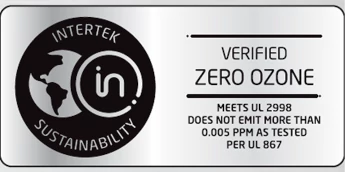
Quality UV air purifiers from reputable manufacturers like Respicaire are designed and tested for Zero ozone emission. Some products may combine UV rays and ozone for specific challenging applications. Always check product certification and request more information from your installing contractor. 

Filter replacement depends on the type of system and your home’s conditions. Most high-efficiency filters last 4-12 months, but homes with pets or allergies may need more frequent changes.

Air cleaners typically use filtration to capture particles. Air purifiers often add technology like UV light or PCO ionization to neutralize germs and gases. The best indoor air quality systems combine both approaches.

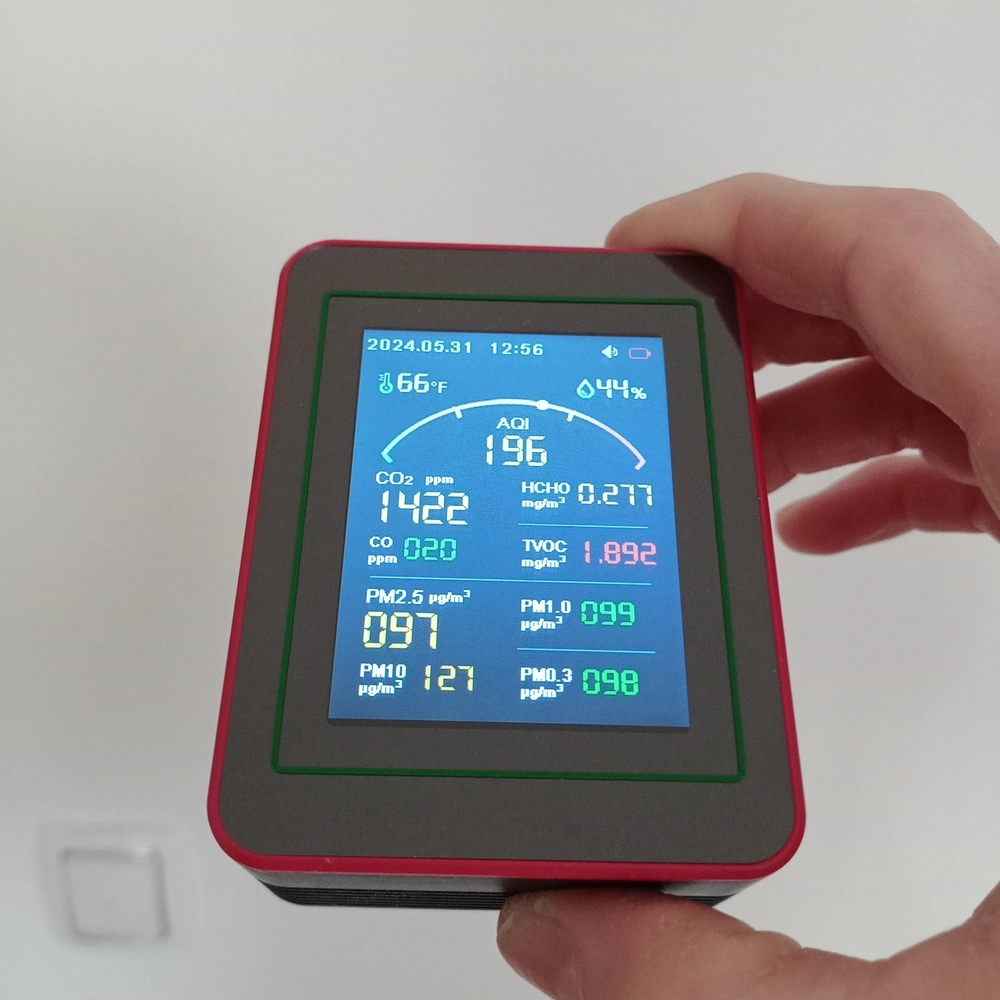
Indoor air quality monitor

Removing Chemicals and VOCs From Your Home

Volatile organic compounds (VOCs) are gases released from everyday products. Paint, cleaning supplies, furniture, carpets, and air fresheners all release these chemicals. You might notice them as strong smells, but many VOCs have no odor at all.

Long-term exposure to VOCs can cause headaches, dizziness, and respiratory problems. Some VOCs are linked to more serious health issues. VOC removal requires specialized filtration that targets gases, not just particles. Respicaire offers advanced air purification systems designed to reduce chemical pollutants and create healthier indoor spaces.

air quality monitor
Respicaire OXY X™ Commercial Active PCO UVGI Air purifier

Eliminating Odors and Harmful Gases

Unpleasant odors do more than just bother your nose. They often signal the presence of harmful gases in your air. Cooking fumes, tobacco smoke, pet odors, and household chemicals all contribute to poor indoor air quality.

Standard filters catch particles but let gases pass right through. That’s why odor control requires different technology. UV air purifiers and activated carbon filtration work together to break down odor-causing molecules. Respicaire systems help remove lingering smells for a fresher breathing environment throughout your home.

Take the Next Step Toward Better Indoor Air Quality

Clean air isn’t a luxury. It’s essential for your health and comfort. Whether you’re a contractor looking for reliable air quality solutions or a homeowner wanting to protect your family, Respicaire has the technology you need.

Our air purification systems are designed for real-world performance. We offer training, technical support, and a full line of products to address every indoor air quality challenge. Contact us today to learn which combination of products will work best for your needs.

Get In touch for more information!