

Stop Chemical Fumes With an Air Purifier for Chemicals and VOCs
Volatile compounds and chemical fumes affect your health every day. Discover the technologies that reduce them.
Commercial Solutions
The Growing Problem of Chemical Contaminants Indoors
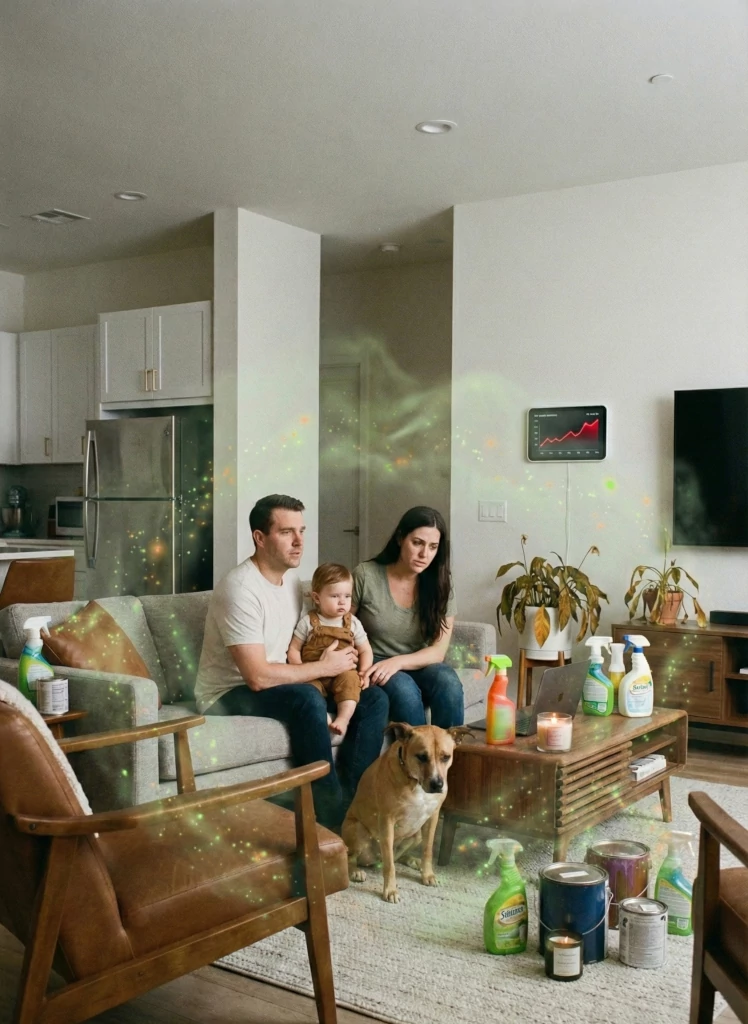
Your home or office likely contains more chemicals than you realize. Furniture releases formaldehyde. Cleaning products emit harsh vapors. Paint, carpets, and building materials off-gas for months or even years after installation. These invisible compounds build up in enclosed spaces where people spend most of their time.
The effects often go unnoticed at first. Headaches, fatigue, eye irritation, and breathing discomfort can all stem from chemical exposure indoors. Many people blame allergies or stress when the real culprit floats in the air around them. Knowing what chemicals exist in your environment helps you take steps toward better air quality.
What Are VOCs and Why Do They Matter?
VOC stands for volatile organic compound. These carbon-based chemicals evaporate easily at room temperature, which means they constantly enter the air you breathe. Common sources include:
- Paints, stains, and varnishes
- Adhesives and sealants
- New furniture and flooring
- Cleaning supplies and air fresheners
- Personal care products
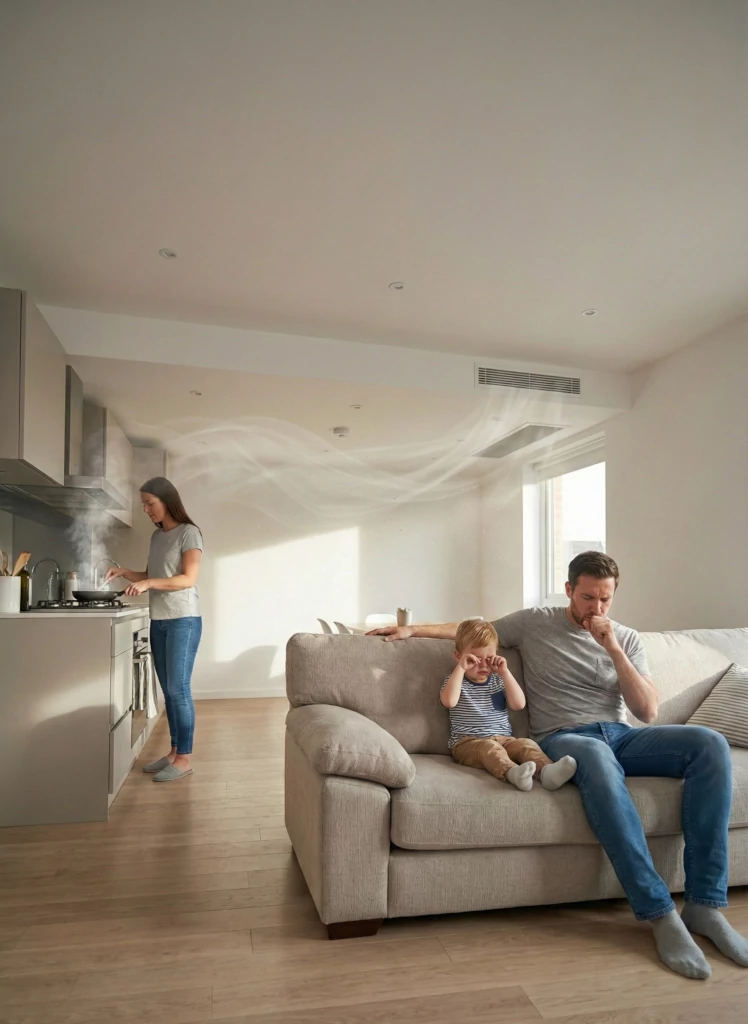
- Cooking fumes and combustion byproducts
Exposure to VOCs has been linked to respiratory irritation, nervous system effects, and long-term health concerns. The best air filter for VOCs uses specialized methods to capture or break down these compounds. Standard particle filters cannot address gases and vapors, which pass right through fiber-based media.
Why Standard Filters Fall Short Against Chemicals
Most home air filters focus on particles like dust, pollen, and pet dander. These filters trap solid matter but do nothing for gaseous pollutants. Chemical vapors and VOCs exist as molecules far smaller than what fiber filters can catch. They slip through even HEPA-grade media without resistance.
This is why homes with excellent particle filtration can still have chemical odor problems. Cooking smells linger. New carpet odors persist. Paint fumes hang in the air for weeks. An effective air filter for VOCs requires technology designed specifically for gas-phase contaminants, not just particulates.
How Respicaire Addresses Chemical Air Pollution
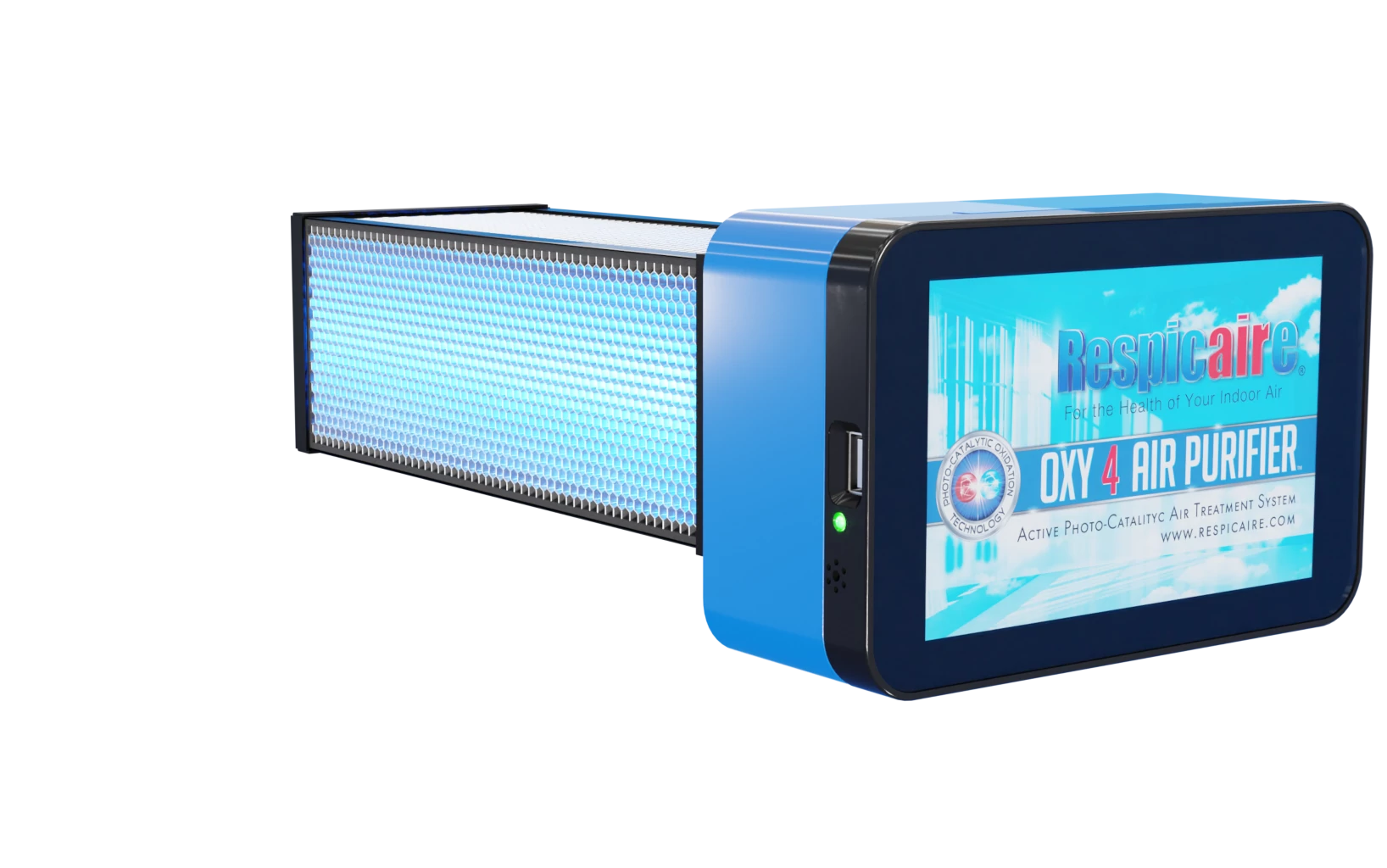
Respicaire uses multiple proven methods to clean indoor air and protect the people who breathe it. The company’s whole-home air purifier options combine different technologies for complete coverage against airborne threats. For over two decades, Respicaire has focused on developing and testing products that address the full range of indoor air quality challenges.
Chemical purification requires a different approach than particle removal. Respicaire offers technologies that target gaseous pollutants through oxidation, absorption, and molecular breakdown:
UV light for AC coil disinfection keeps HVAC systems clean
Photo-catalytic oxidation systems break down chemical compounds
Bi-polar ionization technology neutralizes gases and particles
Advanced carbon filtration absorbs VOCs and chemical vapors
HEPA-grade air cleaning captures fine particulates
Germicidal UVC treatment addresses biological contaminants
This layered approach means your air purifier for chemicals and VOCs works alongside particle removal for truly comprehensive air cleaning.
Choosing the Best Air Purifier for VOCs in Your Space
Different environments face different chemical challenges. A nail salon deals with solvent fumes. A new construction home off-gases from building materials. An office building may have VOCs from copiers, furniture, and cleaning products. The best air purifier for VOCs matches the technology to the specific contaminants present.

For Off-Gassing and Building Materials
New construction and renovations release formaldehyde and other compounds for months. Photo-catalytic oxidation and carbon-based technologies work together to address these persistent emissions without masking them.

For Cleaning Products and Solvents
Commercial spaces and homes using chemical cleaners benefit from systems that break down volatile compounds as they enter the air. PCO technology oxidizes these molecules into harmless byproducts.

For Cooking and Combustion Odors
Kitchen areas and spaces with gas appliances produce chemical byproducts that standard filters miss. Combining advanced carbon media with oxidation technology addresses these gases at the molecular level.
Frequently Asked Questions About Air Purifiers for Chemicals and VOCs
Find answers to common questions about reducing chemical contaminants in your indoor air below.
Can a HEPA filter remove VOCs and chemical fumes?
No. HEPA filters capture particles but cannot trap gases. VOCs pass through fiber-based filters regardless of their efficiency rating. Chemical purification requires technologies like activated carbon or photo-catalytic oxidation that target gas-phase pollutants.
What makes photo-catalytic oxidation effective for VOC removal?
PCO technology uses UV light and a catalyst to create a reaction that breaks down chemical molecules. This process converts VOCs and odors into simpler compounds like water vapor and carbon dioxide rather than simply trapping them.
How do I know if my home has high VOC levels?
Chemical odors from new furniture, fresh paint, or cleaning products indicate VOC presence. Symptoms like headaches, eye irritation, or respiratory discomfort that improve when you leave the building may also suggest elevated chemical levels.
Is activated carbon enough on its own for chemical air purification?
Carbon filtration effectively absorbs many VOCs but has limited capacity and eventually saturates. Combining carbon with oxidation technologies provides more complete and longer-lasting chemical purification.
Do these air purification systems work with existing HVAC equipment?
Respicaire designs products for integration with residential and commercial HVAC systems. Professional installation ensures the air purifier for chemicals and VOCs works efficiently with your existing heating and cooling equipment.
Take Control of Chemical Contaminants in Your Air
The chemicals in your indoor air do not have to compromise your health or comfort. Respicaire’s air purification technologies combine proven methods to address VOCs, chemical vapors, and gaseous pollutants that standard filters miss. Whether you manage a commercial facility or want cleaner air at home, the right combination of purification technologies makes a measurable difference. Reach out to learn how an air purifier for chemicals and VOCs can work in your space.