

Understanding How to Choose the Best Air Purifier for Allergies and Asthma

Dust, pollen, pet dander, and other triggers fill indoor air. Discover how the right purification system brings relief.

The Allergy and Asthma Connection to Indoor Air

For millions of people, allergies and asthma turn everyday breathing into a struggle. Sneezing, wheezing, itchy eyes, and tight chests become routine when indoor air carries the wrong particles. The triggers are often invisible, floating through your home without you knowing they’re there.

Common indoor allergens include dust mites, pet dander, pollen tracked in from outside, and mold spores. These tiny particles settle on furniture, bedding, and carpets, then get stirred back into the air with every movement. An air purifier for allergies and asthma works by capturing these particles before they reach your lungs, helping reduce symptoms and improve daily comfort.

woman sneezing

Why Allergy and Asthma Sufferers Need Better Air

Indoor air often contains two to five times more pollutants than outdoor air. For people with respiratory sensitivities, this creates an environment where symptoms never fully go away. The most common triggers include:

  • Dust mites and their waste particles
  • Pet dander from cats, dogs, and other animals
  • Pollen from trees, grasses, and weeds
  • Mold spores from damp areas
  • Smoke and fine particulates

These allergens and irritants build up in homes with limited ventilation. Standard HVAC filters catch larger debris but let smaller, more harmful particles pass through. Without an allergy air purifier with HEPA-grade filtration, these microscopic triggers keep circulating and causing reactions.

Beyond Particles: Chemical Irritants That Worsen Symptoms

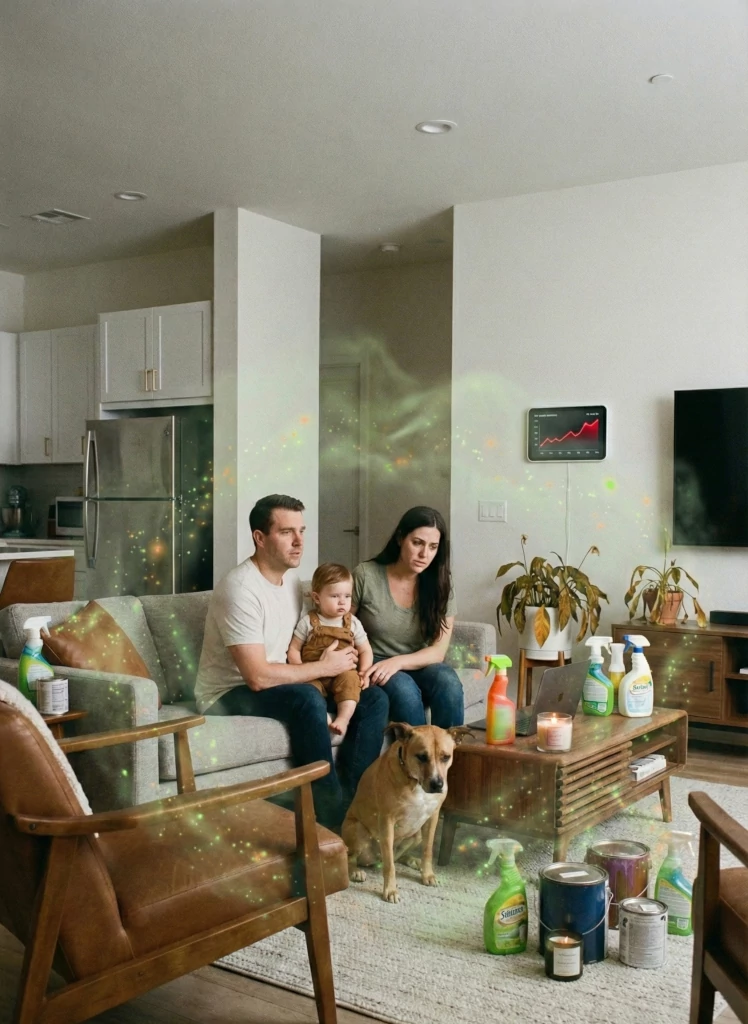
Allergens aren’t the only problem for sensitive respiratory systems. Volatile organic compounds (VOCs) and chemical fumes also trigger asthma attacks and allergic reactions. These gases come from everyday household items and activities.

Cleaning products, air fresheners, new furniture, paint, and building materials all release chemicals into the air. Even scented candles and personal care products add to the chemical load. For asthma sufferers, these fumes can cause bronchial irritation and breathing difficulties. The best air purifier for asthma addresses both particles and gases to create truly clean indoor air.

How Respicaire Technology Tackles Allergy and Asthma Triggers

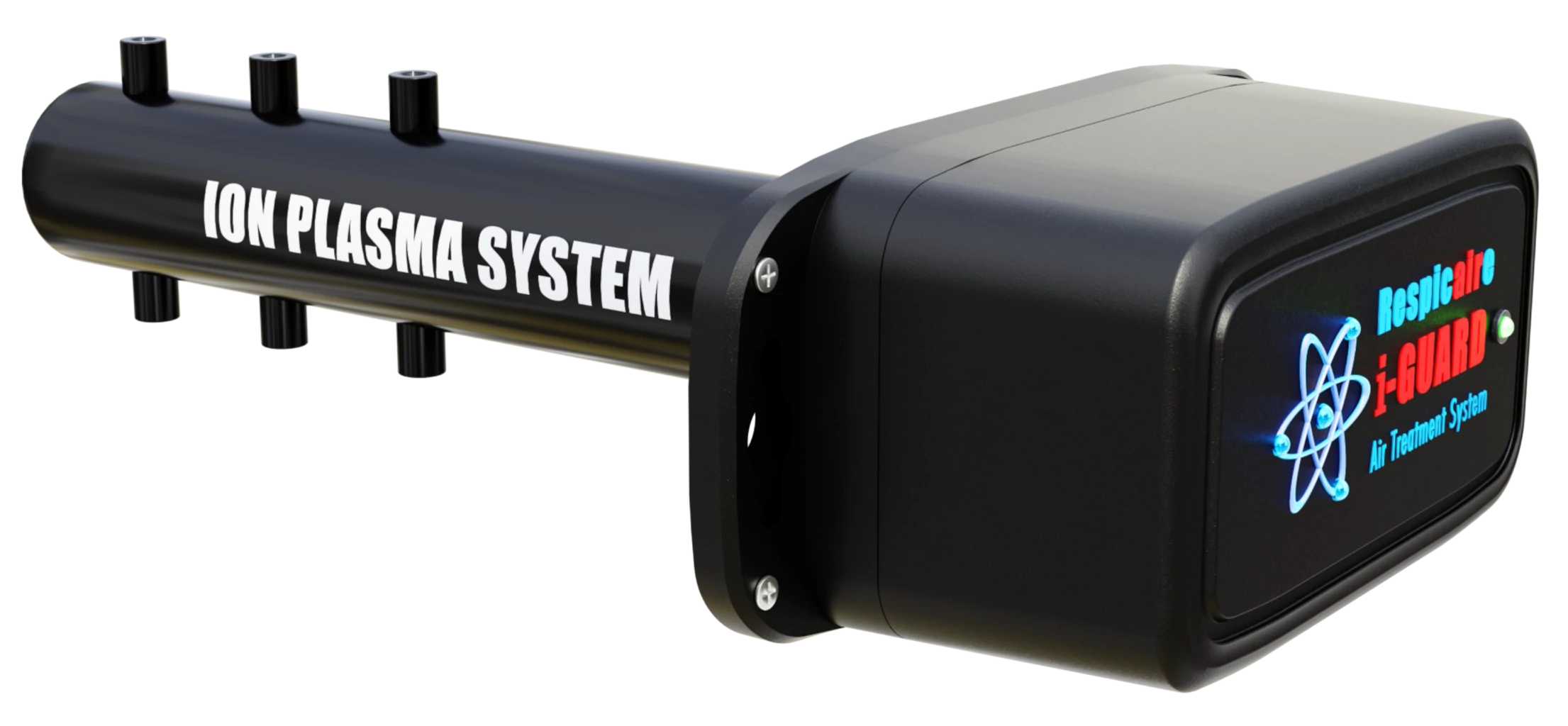
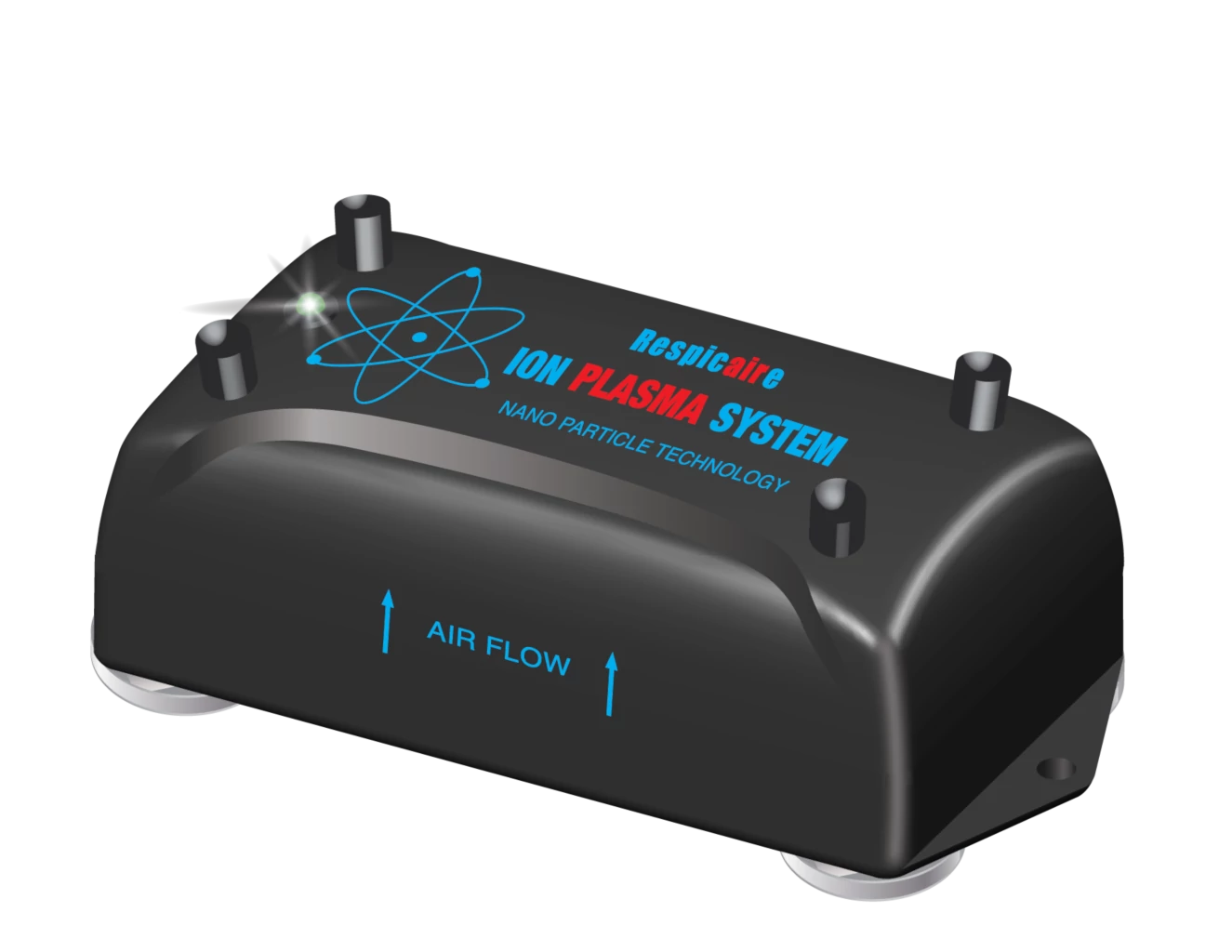
Respicaire uses multiple proven methods to clean indoor air and protect the people who breathe it. Whole-home air purifier options combine different technologies for complete coverage against airborne threats. A single filter cannot capture every type of contaminant, which is why layered purification delivers better results.

Respicaire’s approach to finding the best air purifier for allergies and asthma includes:

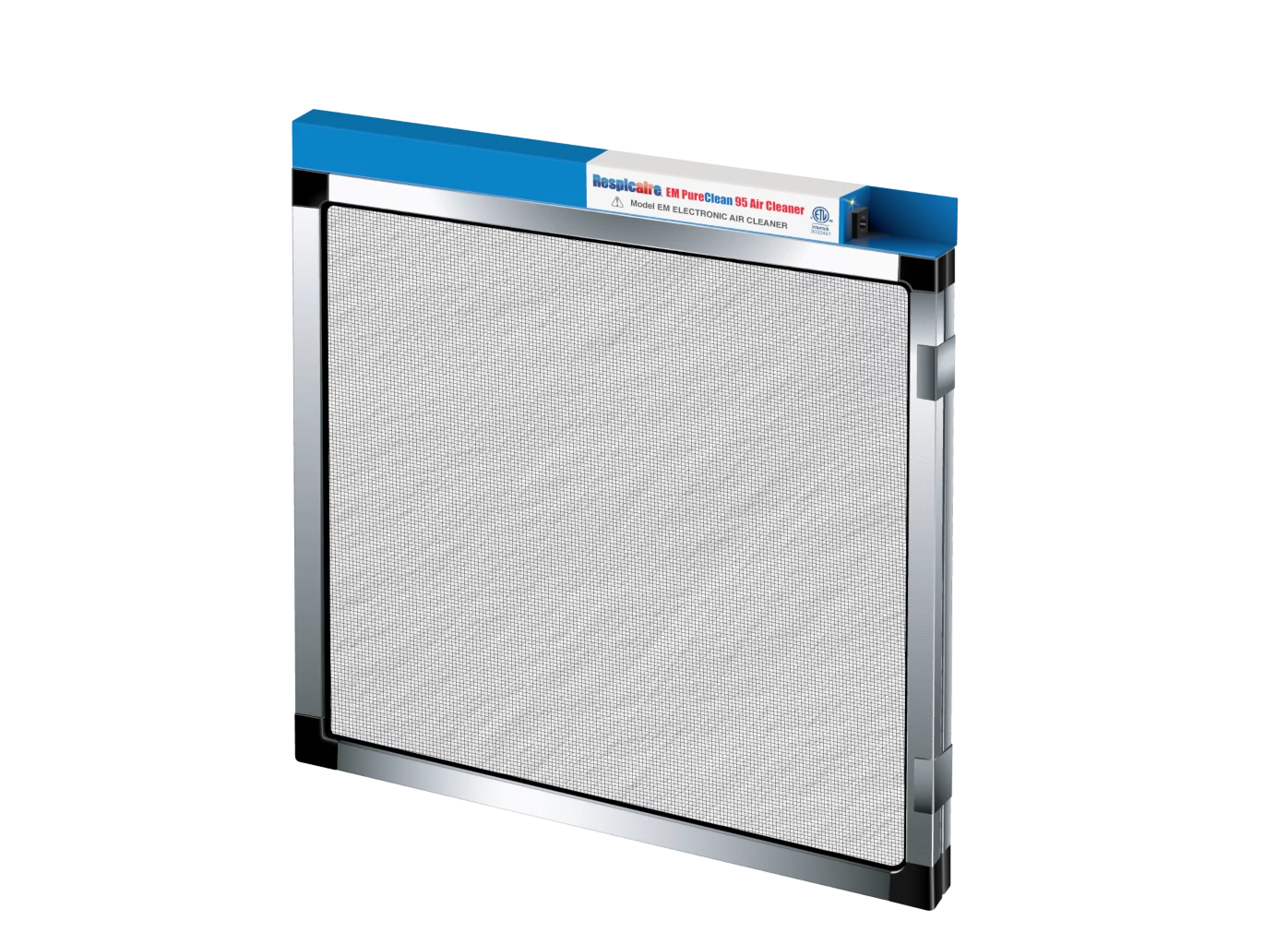
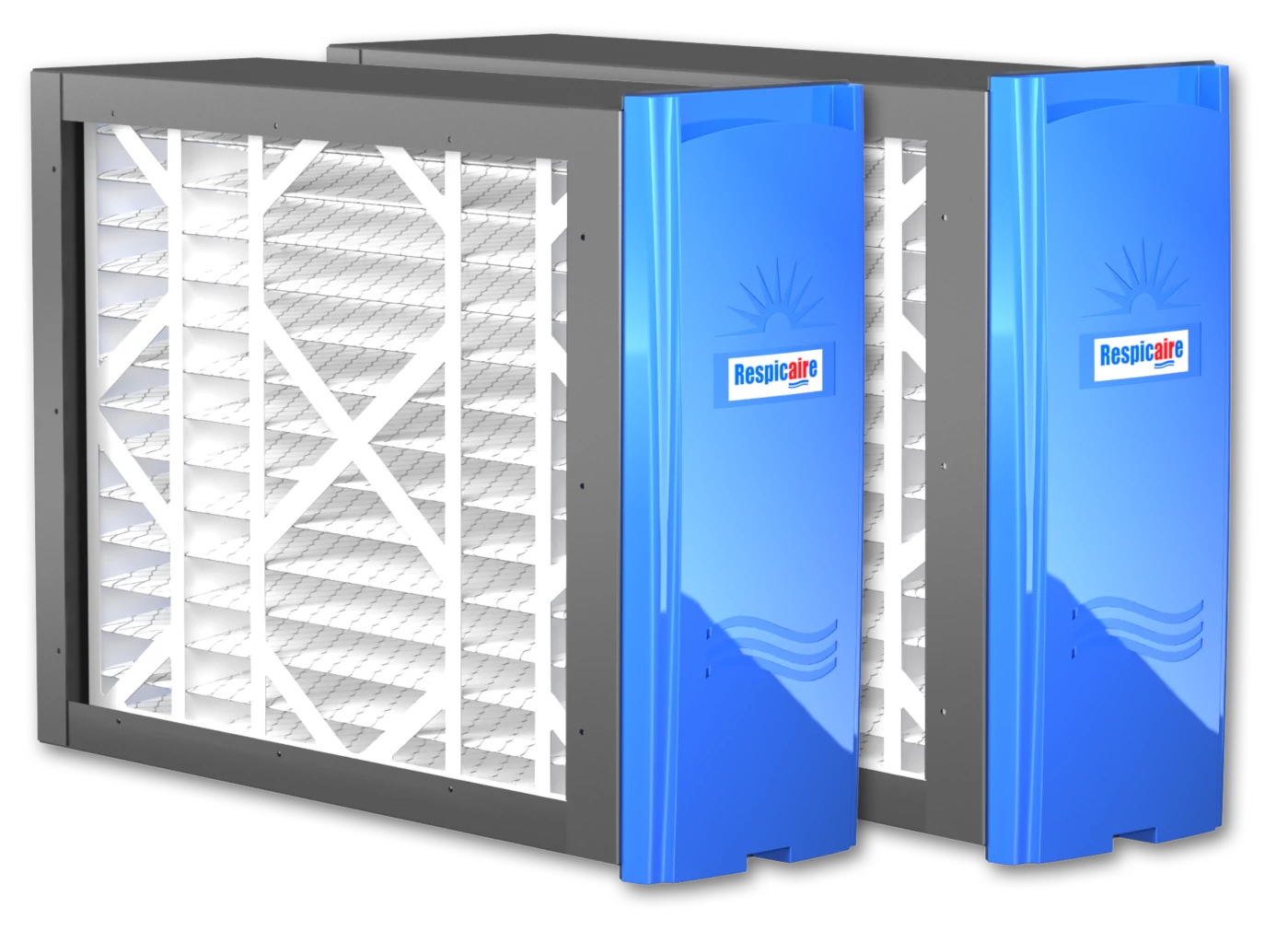
HEPA-grade air cleaning traps microscopic allergens and particles

Germicidal UVC treatment inactivates mold spores and biological contaminants

UV light for AC coil disinfection prevents mold growth at the source

Photo-catalytic oxidation systems break down chemical fumes and odors

Advanced carbon filtration absorbs VOCs and gaseous irritants

Bi-polar ionization technology causes particles to clump together for easier capture

This combination addresses the full range of triggers that affect allergy and asthma sufferers.

Matching the Right Technology to Your Symptoms

Different respiratory issues benefit from different purification approaches. Respicaire offers technologies designed to address specific concerns for people searching for an air purifier for allergies and asthma:

couple taking a deep breath
allergies icon

For Dust, Dander, and Pollen

High-efficiency air cleaners with HEPA-grade media capture particles as small as 0.3 microns. This includes dust mite debris, pet dander, and pollen grains that trigger allergic reactions and asthma episodes.

coughing icon

For Mold and Biological Contaminants

UV air treatment and germicidal systems inactivate mold spores, bacteria, and other organisms that cause respiratory distress. These technologies work continuously to reduce biological triggers throughout your home.

chemicals icon

For Chemical Sensitivities and VOCs

Photo-catalytic oxidation combined with carbon filtration removes gaseous pollutants that irritate airways. This helps asthma sufferers who react to cleaning products, fragrances, and off-gassing from household items.
Frequently Asked Questions About Air Purifiers for Allergies and Asthma

Find answers to common questions about choosing the right air purification for respiratory relief.

What makes an air purifier effective for allergies?

An effective allergy air purifier uses HEPA-grade filtration to capture particles down to 0.3 microns. This size range includes most common allergens like dust mite debris, pollen, and pet dander that trigger symptoms.

Portable units only clean air in one room. A whole-home air purifier for asthma connects to your HVAC system and treats air throughout your entire living space, providing consistent relief in every room.

UV germicidal treatment inactivates mold spores and biological contaminants that trigger respiratory reactions. It also prevents mold growth on AC coils, which can spread spores through your ductwork.

 Air purification reduces exposure to triggers but does not replace medical treatment. Many users find they need less medication when indoor air quality improves, but you should always follow your doctor’s guidance.

True HEPA filters meet specific efficiency standards for particle capture. HEPA-grade filters approach this performance level while often allowing better airflow in residential HVAC systems.

Cleaner Air for Allergy and Asthma Relief Starts Here

Living with allergies or asthma doesn’t mean accepting constant symptoms. The right air purification system reduces triggers throughout your home, creating an environment where breathing comes easier. Respicaire’s technologies work together to capture allergens, inactivate biological contaminants, and remove chemical irritants from your indoor air. Relief is possible when you address the source of the problem.

Get In touch for more information!